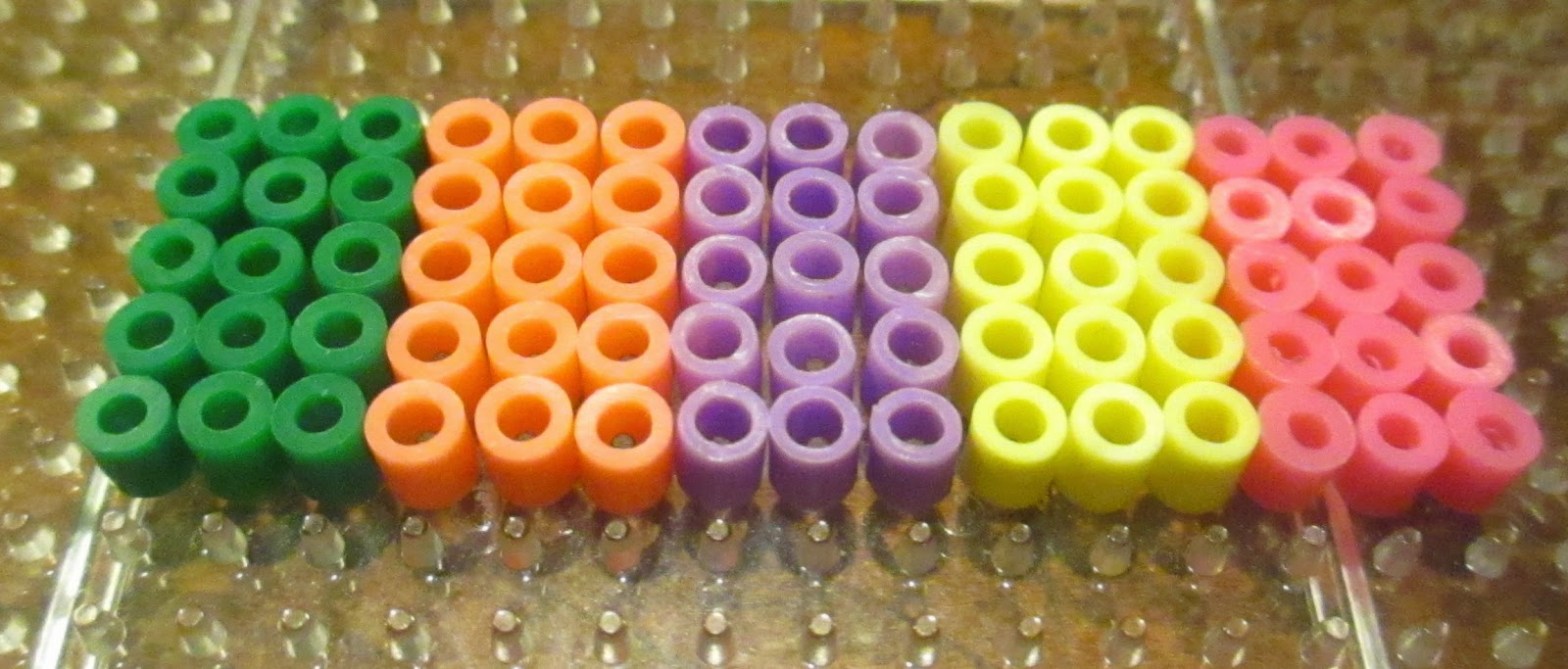
Last week, I mentioned how the history of fuse beads birthed the various brands that are around today. So why does this matter? After all, a fuse bead is a fuse bead. It will do its job no matter who makes it…right? WRONG!! Think of it like the chains of fast food pizza. You may prefer Pizza Hut over Domino’s, or Papa John’s, or Little Caesar’s, etc. While they are all essentially pizza, they couldn’t be more different from each other in taste and quality. Fuse beads are no different. They are NOT made equal and they will NOT all yield the same results!
Melty beads
Defective beads
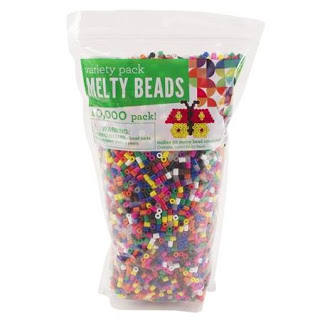
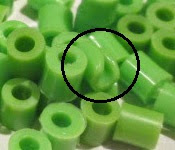
Stores like Walmart carry melty beads at comparatively cheaper prices, but don’t be fooled because they are TERRIBLE! They have a bad habit of coming straight from the package extremely misshapen. Sometimes they vary in shape and size, sometimes bits of excess plastic hang off them, and sometimes the middles are not even hollowed out like they should be. Virtually useless. And they don’t even fuse well together at all, forming a horseshoe shape rather than a round one and thus breaking easily.
Pyssla
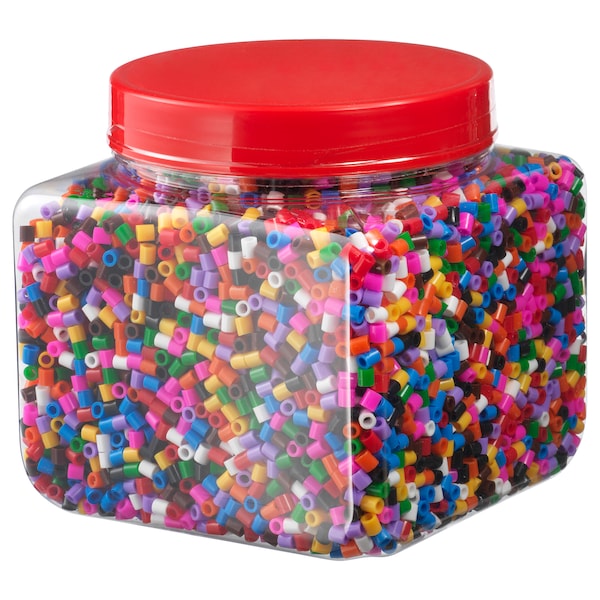
Pyssla beads — or as I like to call them, IKEA beads — aren’t the worst out there, but they’re not very good quality. Their lack of thickness or pliability yields a creation that looks good but will break apart fairly easily. They are also slightly shiny.
Hama

Hama beads are bit smaller than other beads and the plastic feels almost soft, so when they’re fused they become almost spongy–still retaining their shape, but being much more flexible than the other beads. They also have a lower melting point and a certain glossiness to them.
Nabbi
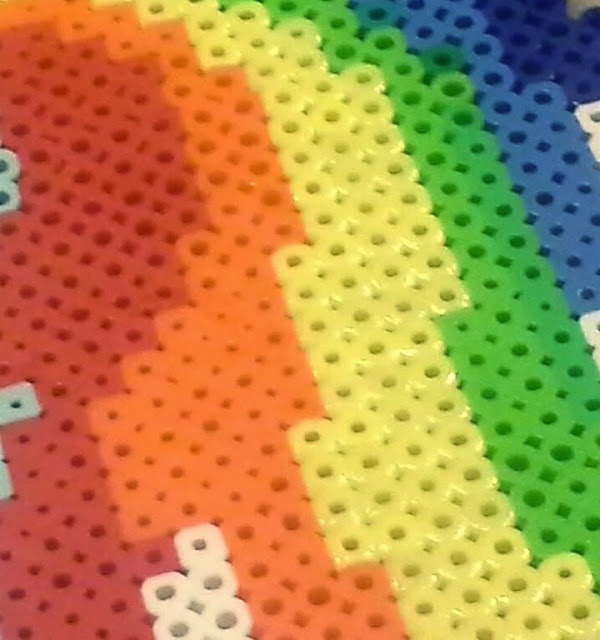
Nabbi beads, otherwise known as Photo Pearls, retain their circular shape and are raised in in the middle. They also have a nice shine to them.
Perler
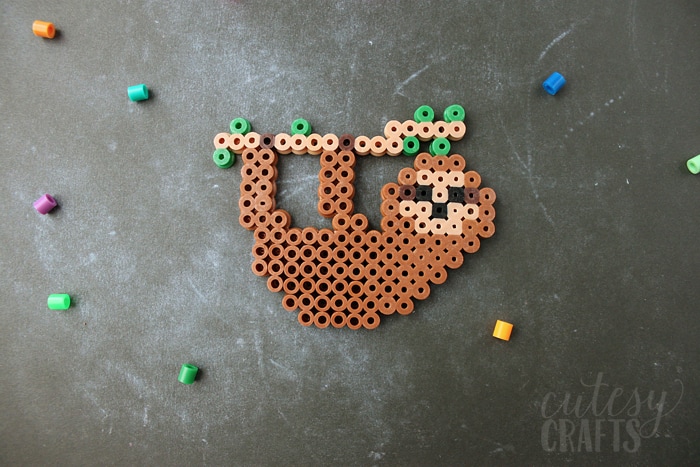
Finally, my personal favorite. All perler beads are 99% of the time uniformly shaped. They are made of high quality material that is slightly flexible when fused together, making for a more durable creation. They tend to flatten when melted and have a matte finish to them.
Final Thoughts
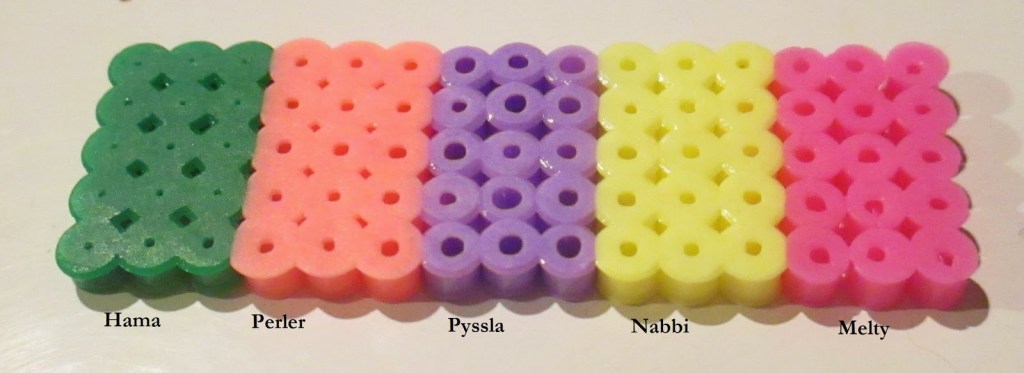
In my experience, Perler and Nabbi are the best quality beads by far. I’ve also worked with China’s Artkal beads and they work excellently, too (they appear similar to Perler which is why I didn’t include them on this list). It’s important to be aware of these different brands, their melting points, and how they look when melted because the last thing you want to do is mix the wrong ones together and completely ruin your project.
So, with all this in mind, I want your opinion: which brand do you prefer??
 Fun with Fuse Beads
I had know idea there where so many different kinds of beads that are the same looking product. Not my market I guess
LikeLike
It makes sense that there would be a quality difference with the beads, but I didn’t know either!
LikeLike
I knew there was certain different types of beads but it’s cool to see the differences of each side by side.
LikeLike
I enjoyed reading the different reviews reviews for each brand of beads! Honestly, if I am going to try and be crafty one day, I would definitely use the Perler or Nabbi!
LikeLike
Very interesting! I tried a Pinterest project (which obviously did not look the same as the online photo) by melting beads inside the oven in cookie cutters. We tried making ornaments but it didn’t work out and for the same reason you’re telling us about in your blog: not all beads are the same. We bought some cheap ones that didn’t melt fully or take shape. Good post.
LikeLike
Pretty sure I grew up with mostly IKEA beads haha… Honestly I think the Nabbi beads look the best in that pic!
LikeLike